Shopping cart
Your cart empty!
Your cart empty!


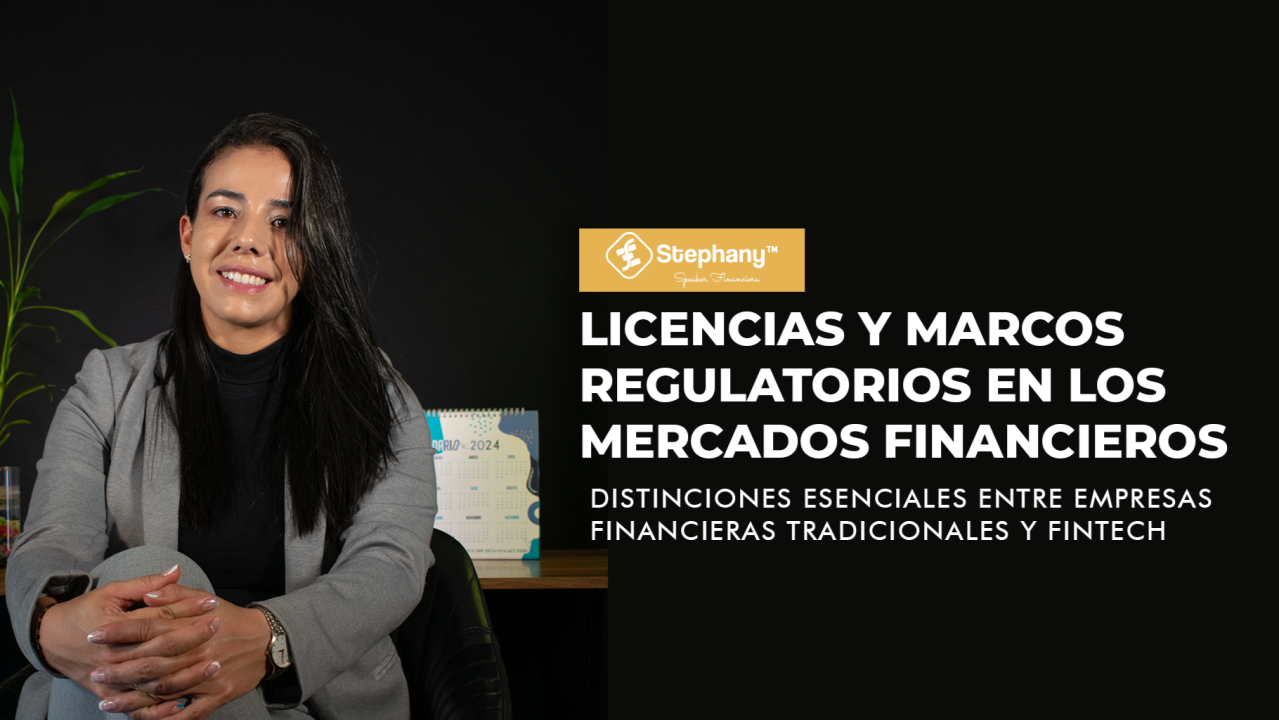
Regulation and licensing in financial markets are not mere formalities; they are fundamental pillars that grant legitimacy, trust, and resilience to companies that manage third-party funds. Their absence creates uncertainty about financial soundness and the ability to respond to adverse scenarios, such as economic crises or insolvencies.
In the universe of investment funds, brokers, brokerage houses, and financial institutions, regulation is strict and non-negotiable. These institutions manage client assets and are therefore subject to regulatory frameworks that demand robust financial leverage, proven experience, solid corporate governance, and rigorous internal control systems.
Licenses in this area certify not only capital strength but also adherence to standards of transparency, comprehensive risk management, and investor protection. Regulatory supervision involves periodic external audits, detailed financial reporting, and the obligation to maintain capital reserves that act as a buffer against volatility or unexpected losses.
From a technical perspective, licenses require companies to demonstrate financial capacity, operational experience, and a leadership team with specific skills in risk management, regulatory compliance, and financial administration. This ensures that the entity not only has resources, but also has the structure and knowledge to operate sustainably and safely.
Fintechs represent a disruptive transformation in the financial sector, not only because they incorporate new technologies, but also because they build integrated ecosystems that span backoffice systems, payment processors, and bridge financing solutions.
Many fintech startups do not hold traditional financial licenses, but they own critical intangible assets: proprietary source code, protected intellectual property, and advanced technological know-how. These companies invest substantial sums in developing patented technology infrastructures, including sophisticated cybersecurity systems such as anti-DDoS protection, end-to-end encryption, and multi-factor authentication.
In the fintech realm, technological robustness and information security are as crucial as financial regulation. The real existence and strength of a fintech depend to a large extent on the integrity and protection of its source code, which constitutes the operational core and the guarantee of independence from third parties.
The distinction between traditional financial regulation and technological security in fintech is not a dichotomy, but a necessary complementarity for the evolution of the sector. While regulation provides the financial structure and trust, technology ensures operational integrity and resilience against digital threats.
For investors and users, understanding this duality is key to evaluating the strength and reliability of any financial or fintech company. The convergence of a solid regulatory framework with a robust technological infrastructure is the indispensable standard to operate successfully and sustainably in modern financial markets.
© 2025 Stephany Rojas Duque. All rights reserved. This article is the intellectual property of Stephany Rojas Duque, an expert in fintech, financial technology, brokerage, and funds. Reproduction in whole or in part, distribution, public communication, or transformation of this content is prohibited without the express written authorization of the author.