Shopping cart
Your cart empty!
Your cart empty!


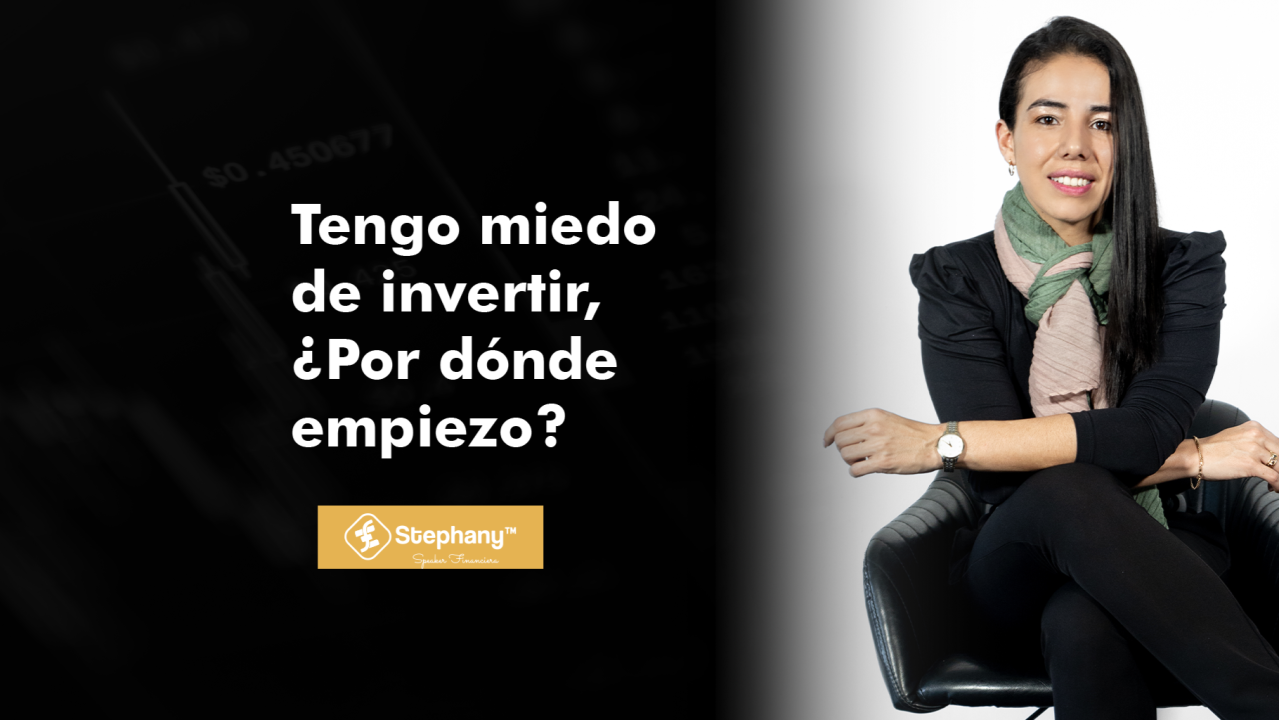
The fear of investing is a common feeling, especially for those without experience. This fear, though natural, can be overcome with knowledge and preparation. The current education system does not prepare anyone for a life of financial freedom, which creates uncertainty. However, fear doesn't pay the bills. To overcome this barrier, it is essential to minimize risk aversion through constant study.
Let me share my personal experience. In college, I learned that buying stocks was a manual and slow process. Years later, I discovered they were wrong. Today, you can invest from home with a computer and initial capital, but before that, it is crucial to study the art of investing, known as trading.
Thanks to technology, the world of finance is a click away. In 1971, President Nixon abolished the gold backing of the dollar, giving rise to the global foreign exchange market (FOREX), which today moves 5.3 trillion dollars daily. Can you imagine getting a small slice of that market?
Yes, investing involves risks. The key is to invest amounts that do not affect your lifestyle. If you earn $1,000 USD a month and save $100, in 10 months you will have $1,000 to invest. A 1% monthly return would be an additional $10. If you lose your initial investment, it does not affect your life because it was savings set aside for that purpose. Over time, you will gain experience to improve your strategies.
There are no 100% safe investments. History teaches us that even government bonds or banking products carry risks. Crises like 2008, government collapses, or corporate scandals show that risk is a constant. That is why investments should be made with financial intelligence, not out of necessity.
"Don't invest what you aren't willing to lose."
While you don't want to lose, there are methods to cushion the blows. Here are a few:
The world of finance is full of opportunities, but also risks. The key is to educate yourself, plan, and make informed decisions. The traditional education system doesn't want you to have this information, but now that you have it, it's up to you to take the first step.
Written by: Stephany Rojas