Shopping cart

Your favorites

You have not yet added any recipe to your favorites list.

Browse recipes

Schedule your 15-minute demo now

We’ll tailor your demo to your immediate needs and answer all your questions. Get ready to see how it works!

GDPR Compliance

We use cookies to ensure you get the best experience on our website. By continuing to use our site, you agree to the use of cookies, our privacy policy, and our terms of service.

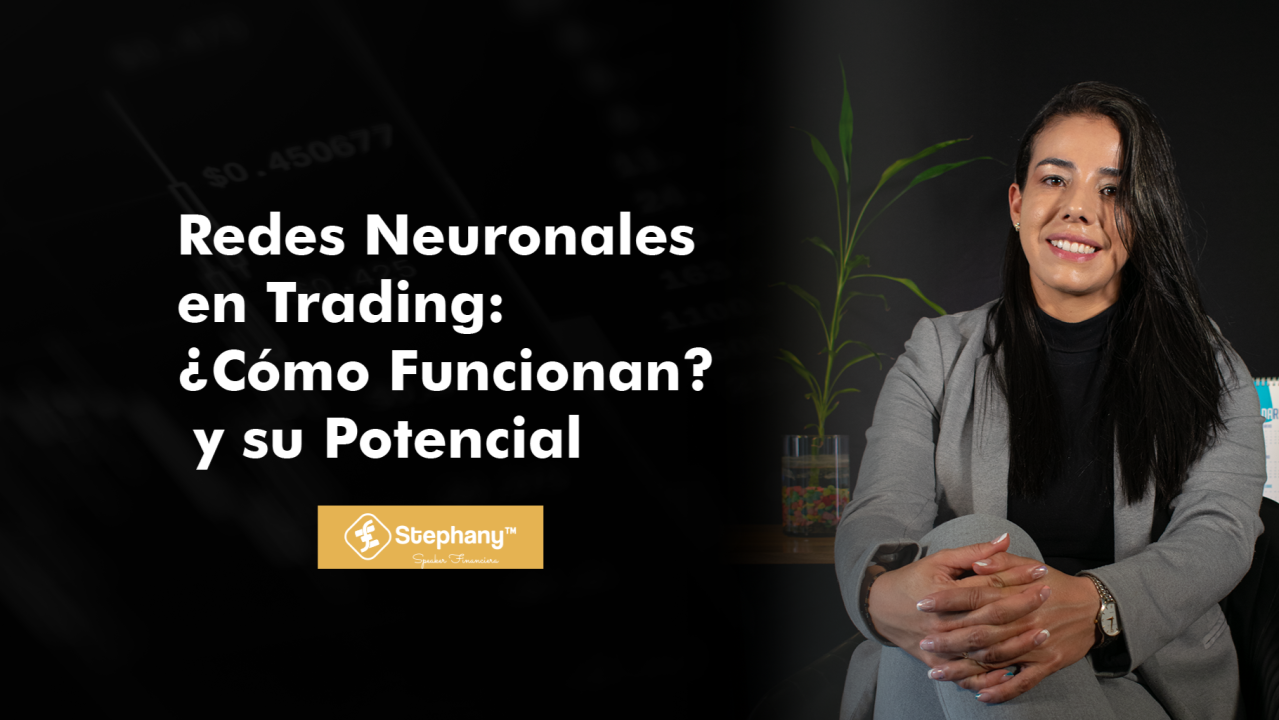
Neural Networks in Trading: How They Work and Their Potential

Neural networks have become a key tool in the field of trading, using advanced algorithms to analyze large amounts of data and forecast future movements in the financial markets. These networks are designed to learn from past data, identify similar patterns in the present, and from there generate conclusions about possible future trends.

How Do Neural Networks Work in Trading?

A neural network applied to trading can be understood as a system that mimics the workings of the human brain. For a system to be considered as such, it must meet certain principles:

  • Collection and Analysis of Historical Data: The network uses past data to identify recurring patterns.
  • Detection of Similar Behaviors: The key lies in the ability to detect similar patterns across different market moments to predict future behavior.
  • Decision Generation: Based on this information, the network can make automated decisions on when to open or close a trade.

The Potential of Neural Networks in Trading

The main appeal of neural networks lies in their ability to handle and process large volumes of data. Some application areas include:

  • Price Prediction: Allows traders to anticipate market fluctuations.
  • Strategy Optimization: They can be trained to improve existing strategies by learning from past mistakes.
  • Risk Management: They offer recommendations on when it is prudent to enter or exit a position to minimize risks.

Challenges and Opportunities

Although they offer high potential, they also present challenges. The complexity of these systems often produces what is known as a "black box," making it difficult to trust the model.

In addition, the risk of overfitting (excessive adjustment to past data) is a constant concern. Despite this, neural networks continue to evolve thanks to platforms such as TensorFlow, Keras, and PyTorch, which allow traders to develop and customize their own models, continuously improving the accuracy of predictions.


Written by: Stephany Rojas